Source synthetic amethyst cubic zirconia stone for jewelry, gifts, collections
Compare 22 listings of synthetic amethyst cubic zirconia stone from verified suppliers. Buyers can evaluate grades, sizes, and customization options for jewelry, gifts, and collections.
Key considerations
Products List




Comprehensive Sourcing Guide
Strategic Sourcing Guide for Synthetic Amethyst Cubic Zirconia Stones
The global demand for high-quality synthetic gemstones has surged, driven by the jewelry industry's need for cost-effective, ethically sourced, and visually consistent alternatives to natural stones. Among these, synthetic amethyst cubic zirconia (CZ) stands out as a premier choice for designers and manufacturers seeking the deep purple hue of amethyst with the durability and brilliance of a lab-created material. This guide provides a comprehensive, evidence-based framework for procurement professionals evaluating suppliers of synthetic amethyst cubic zirconia stones. By focusing on verified technical attributes, supply chain logistics, and quality assurance protocols, buyers can navigate the market with precision and mitigate the risks associated with sourcing from unverified vendors.
Technical Specifications and Material Composition
Understanding the precise technical specifications of synthetic amethyst cubic zirconia is the foundational step in any sourcing strategy. Unlike natural amethyst, which derives its color from trace elements and geological time, synthetic amethyst CZ is engineered in a laboratory to replicate the optical properties of the natural stone while offering superior consistency. The core material is cubic zirconia, a crystalline form of zirconium dioxide (ZrO2) that has been stabilized to ensure durability. In the context of the current market, the "synthetic" or "lab-created" designation is critical, as it confirms the material's origin and distinguishes it from natural or treated stones.
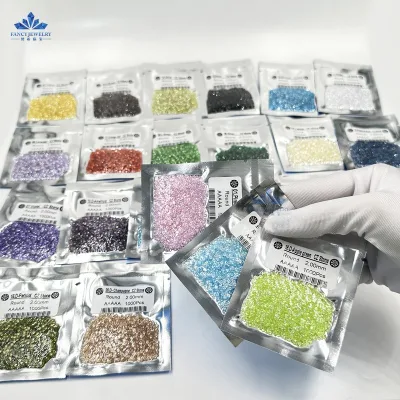
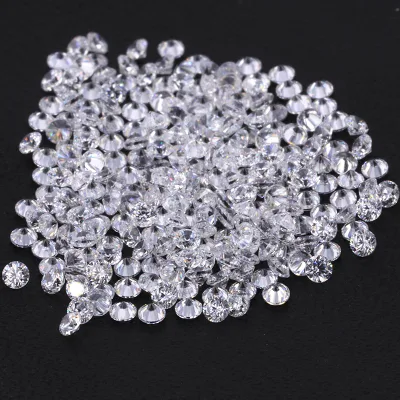
Buyers must scrutinize the specific physical attributes provided by suppliers. The shape of the stones varies significantly, ranging from round and oval to various custom shapes, with round and oval being the most common for bead and setting applications. The size specifications are equally diverse, with observed market data indicating standard sizes such as 6mm, 6x8mm, and custom dimensions like 3x3mm, 4x4mm, or 5x5mm. The cutting style is another vital technical parameter; the "Brilliant Cut" is frequently observed, designed to maximize light reflection and fire, mimicking the sparkle of high-end diamonds or natural gemstones. Furthermore, the surface treatment is typically polished to a high standard, ensuring a smooth finish that is essential for jewelry settings.
When evaluating product listings, buyers should note that while some suppliers offer a single grade, others provide a spectrum of quality ratings. The observed market includes grades ranging from AA to AAA, and in some instances, extended ratings like Aaaa or Aaaaa. These designations are not universally standardized across all manufacturers, making it imperative for buyers to request physical samples to verify the visual consistency and clarity associated with these labels. The color profile for synthetic amethyst is generally described as a light to deep amethyst purple, though some listings may also offer white or red variations, requiring careful selection to match the specific design intent.
Compliance, Certification, and Origin Verification
In the B2B procurement of gemstones, verifying the origin and compliance status of the product is paramount for ensuring ethical sourcing and regulatory adherence. The supply chain for synthetic amethyst cubic zirconia is heavily concentrated in specific manufacturing hubs, with China, particularly regions like Wuzhou and Guangxi, emerging as dominant production centers. These locations are known for their extensive expertise in synthetic stone manufacturing and wax casting techniques.
Buyers must explicitly verify the "Place of Origin" listed in supplier documentation. While many products originate from China, the specific city or province can impact logistics, shipping costs, and the reliability of the supply chain. For instance, Wuzhou is a recognized hub for gemstone processing, while Guangxi is noted for broader manufacturing capabilities. It is essential to confirm that the supplier can provide accurate documentation regarding the origin to satisfy any import regulations or customer inquiries regarding the provenance of the materials.
Regarding certifications, the market for synthetic stones operates differently from natural gemstone markets. Synthetic amethyst CZ does not typically require the same complex ethical certifications (such as Kimberley Process compliance) as natural diamonds or colored stones, as it is not mined. However, buyers should still verify if the supplier adheres to any specific industry standards or quality benchmarks. Some suppliers may claim adherence to specific production standards, such as size tolerances or quality grading systems, but these are often internal to the manufacturer. Therefore, buyers should not rely solely on marketing claims of "certified" status but rather demand third-party test results or independent quality audits if such documentation is available. The absence of a universal certification body for synthetic CZ means that the buyer's due diligence relies heavily on the supplier's reputation, sample quality, and consistency in meeting agreed-upon specifications.
Cost Drivers and Pricing Dynamics
The pricing of synthetic amethyst cubic zirconia stones is influenced by a complex interplay of factors, including material grade, size, shape, and order volume. Unlike natural gemstones, where price is heavily dictated by rarity and carat weight, the cost of synthetic CZ is primarily driven by the manufacturing process and the level of quality control required. High-grade stones, often labeled as AAA or Aaaaa, command a premium due to the stricter selection criteria for clarity, color saturation, and cut precision.
Order volume plays a significant role in determining the final unit price. The market exhibits a wide range of Minimum Order Quantities (MOQ), typically spanning from 1 piece for sampling purposes up to 1,000 pieces for bulk production. Suppliers often offer tiered pricing structures where the unit cost decreases as the order quantity increases. Buyers should be aware that while the base price for synthetic amethyst CZ is generally lower than natural alternatives, the cost can fluctuate based on the complexity of the cut and the specific size requirements. For example, custom sizes or non-standard shapes may incur higher processing fees.
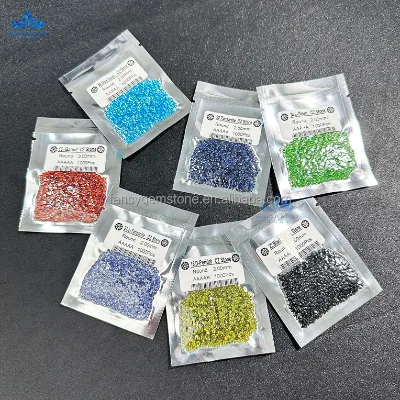
Additionally, packaging and customization services can impact the overall cost. Some suppliers offer "According to Customer Request" packaging, which may involve specialized materials like sponge paper or standard export cartons to ensure the stones arrive in pristine condition. Customization options, such as specific branding or tailored product models (e.g., ST02, STG-028), can also add to the expense. Buyers must carefully balance the desire for high-quality, customized products with the budget constraints of their project, ensuring that the total cost of ownership, including shipping and potential rework, remains within acceptable limits.
Typical Applications and Design Integration
Synthetic amethyst cubic zirconia stones are versatile materials suitable for a wide array of jewelry applications. Their primary use is in the creation of jewelry sets, where their vibrant color and brilliance enhance the aesthetic appeal of necklaces, earrings, rings, and bracelets. The "European and American" and "Korean" style classifications observed in the market indicate that these stones are adaptable to various design trends, from classic, timeless pieces to modern, trend-driven collections.
Beyond traditional jewelry, these stones are increasingly used in gift items and collector's editions. The "Light Amethyst" and standard "Amethyst" color profiles make them particularly attractive for gifts, as the purple hue is often associated with royalty, wisdom, and elegance. The synthetic nature of the material allows for consistent color matching across large batches, which is crucial for designers creating matching sets or limited edition collections.
The material's compatibility with different manufacturing processes is another key application factor. The "Wax Casting" process mentioned in supplier data suggests that these stones are often used in cast jewelry settings, where the stone is set into a metal mold. The polished surface and precise shapes (such as round or oval) ensure a secure fit within these settings, reducing the risk of stone loss or damage during the manufacturing process. Furthermore, the availability of samples allows designers to test the stones in their specific designs before committing to large-scale production, ensuring that the final product meets their quality and aesthetic standards.
Supplier Evaluation and Quality Control Protocols
Selecting the right supplier for synthetic amethyst cubic zirconia stones requires a rigorous evaluation process that goes beyond simple price comparisons. Buyers should prioritize suppliers who demonstrate transparency in their product attributes, including clear specifications for size, shape, and quality grades. The presence of detailed product models (e.g., starsgem-CZ10023536, STG-028) indicates a level of organization and standardization that can be a positive indicator of supplier reliability.
Quality control is a critical component of the supplier evaluation. Buyers should request samples to verify the "High" grade and "AAA" or higher quality claims. The sample evaluation process should include a visual inspection for color consistency, clarity, and cut precision. It is also essential to verify the "Surface Treatment" to ensure the stones are properly polished and free from scratches or imperfections. Suppliers who offer "Samples Available" are generally more willing to engage in a quality verification process, which can help build trust and ensure that the bulk order will meet expectations.
When evaluating suppliers, buyers should also consider their customization capabilities. The ability to accommodate "Customer Request" packaging and specific product models suggests a flexible and responsive supply chain. Additionally, the supplier's location and logistics capabilities should be assessed to ensure timely delivery and efficient communication. A supplier with a strong track record in the industry, particularly in regions known for gemstone manufacturing, is more likely to deliver consistent quality and reliable service.
Long-Term Procurement Considerations and Market Trends
Sourcing synthetic amethyst cubic zirconia stones is not just a one-time transaction but a long-term partnership that requires strategic planning. Buyers should consider the potential for market trends to shift, influencing the demand for specific colors, sizes, and styles. The "European and American" and "Korean" style classifications suggest that the market is dynamic, with trends evolving rapidly. Staying informed about these trends can help buyers anticipate demand and adjust their inventory accordingly.
Another long-term consideration is the scalability of the supply chain. As the buyer's business grows, the ability of the supplier to increase production capacity without compromising quality becomes crucial. Suppliers who offer a wide range of MOQs, from 1 to 1,000 pieces, provide the flexibility needed to scale operations smoothly. Additionally, the availability of "High Temperature" wax casting compatibility ensures that the stones can be integrated into various manufacturing processes as the buyer expands their product line.
Finally, buyers should remain vigilant about the ethical and environmental implications of their sourcing decisions. While synthetic stones are generally more environmentally friendly than mined gemstones, the manufacturing process still has an impact. Buyers should inquire about the supplier's sustainability practices and ensure that their sourcing aligns with their company's corporate social responsibility goals. By maintaining a focus on quality, transparency, and long-term relationship building, buyers can secure a reliable supply of synthetic amethyst cubic zirconia stones that meets their business needs and supports their growth objectives.
FAQs
What is the material composition of synthetic amethyst cubic zirconia stones?
The material is cubic zirconia, a lab-created crystalline form of zirconium dioxide. These stones are classified as synthetic or lab-created and are available in grades ranging from AA to Aaaaa for jewelry applications.
Which shapes and sizes are available for these gemstones?
Stones come in various shapes including round, oval, and various custom shapes. Common sizes observed are 6mm, 6x8mm, and custom dimensions like 3x3mm or 4x4mm depending on the specific product model.
Can buyers request custom packaging for their orders?
Yes, customization is available for packaging according to customer requests. Suppliers offer options such as sponge paper, standard export cartons, or specific demands tailored to the buyer's needs.
What is the minimum order quantity for these stones?
The minimum order quantity ranges from 1 piece for samples up to 1000 pieces for bulk orders. Specific listings indicate MOQs as low as 50 pieces for certain product models.
Where are these synthetic amethyst stones manufactured?
Products originate from China, with specific hubs in Wuzhou and Guangxi. These regions are known for their expertise in synthetic stone manufacturing and wax casting techniques.
How is the surface treatment applied to these gemstones?
The surface treatment is polished to ensure a smooth finish suitable for jewelry settings. This polishing enhances the brilliant cut and maximizes light reflection for a high-quality appearance.